Wednesday, April 29, 1970

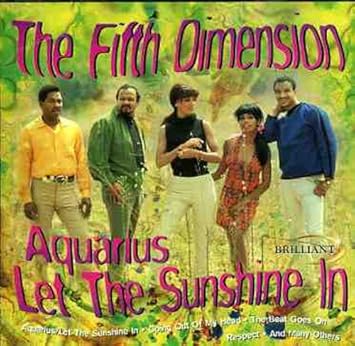
1969: "Aquarius" by The Fifth Dimension


Image result for the fifth dimension aquarius images

Who remembers the radio in the spring and early days of summer 1969?

I remember enjoying The Fifth Dimension.

The 5D were Lamonte McLemore, Ron Townson, Billy Davis, Jr, Florence LaRue and the amazing Marilyn McCoo.

They had a crisp and elegant sound. The group recorded some wonderful albums and songs. They had huge hits like "Wedding Bell Blues", "Stoned Soul Picnic", "One Less Bell to Answer" and "Up, Up and Away".

Most of all, they had Marilyn McCoo's lead vocals!

"Aquarius/Let the sunshine in" was the group's biggest hit. It was one of the biggest hits of 1969:
P.S.  You can listen to my show.  If you like our posts, please look for ”Donate” on the right column of the blog page.


Tuesday, April 28, 1970

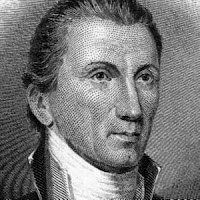
We remember President Monroe (1758-1831)


We remember James Monroe who was born in Virginia on this day in 1758.  He was one our 5th president and the author of The Monroe Doctrine about European interference in the Americas.    He died in 1831.

P.S.  You can listen to my show.  If you like our posts, please look for ”Donate” on the right column of the blog page.

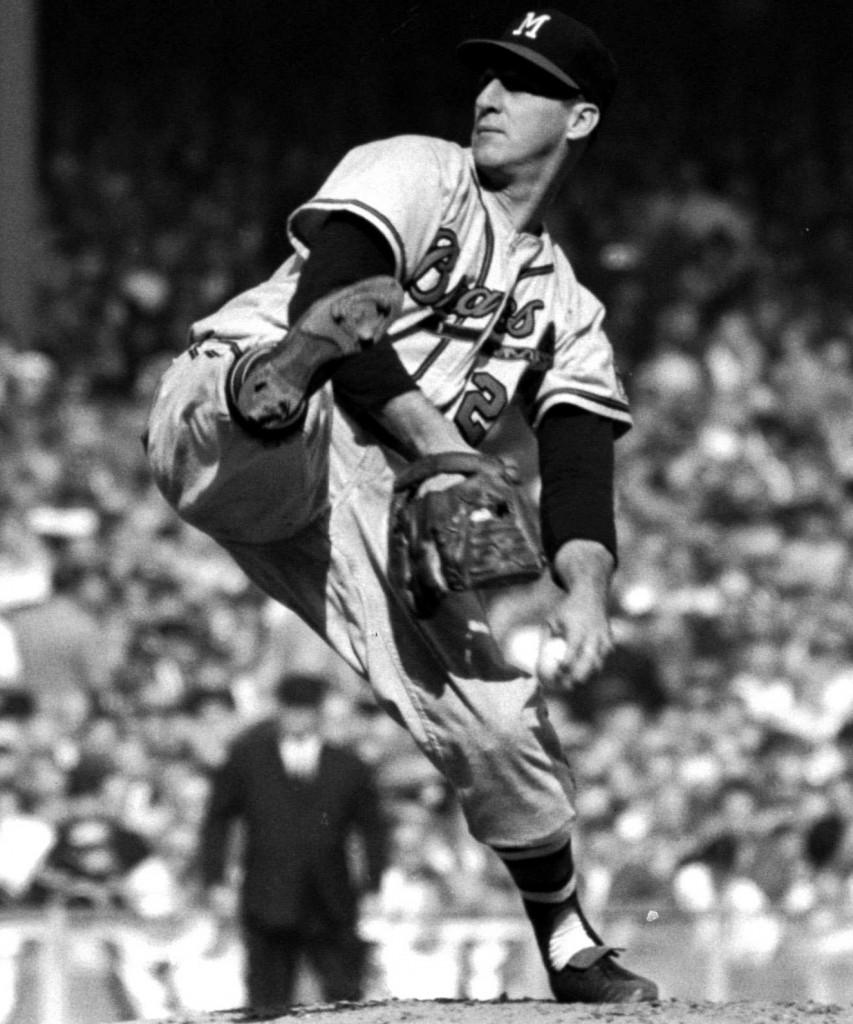
April 28, 1961: Warren Spahn pitched second career no-hitter

Image result for warren spahn images

On this day in 1961, 40-year old Warren Spahn threw his second no-hitter against a very tough Giants lineup.   

According to SABR, it was a very cold day and only 8, 518 fans showed up at County Stadium to watch the game. 

P.S.  You can listen to my show.  If you like our posts, please look for ”Donate” on the right column of the blog page.

We remember President James Monroe (1758-1831)


We remember President James Monroe who was born on this day in 1758.  My guess is that most people have heard about The Monroe Doctrine.   Yet, I would argue that very few people know about President Monroe who served 2 successful terms, 1817-25.

 P.S.  Check out my blog for posts, podcasts and videos. If you like our posts, please look for ”Donate” on the right column of the blog page.


Monday, April 27, 1970

Had not heard "The sun ain't going to shine anymore" for a long time!


A few days ago, I heard "The sun ain't gonna shine anymore" by The Walker Brothers.

It was a great tune. I love the harmony and arrangement. It was also a big international hit.

Last, but not least, this is one of the best "heartbreak" songs ever!

The Walker Brothers were not really brothers. It was a stage name!

In fact, they were Noel Scott Engel, Gary Leeds and John Maus.


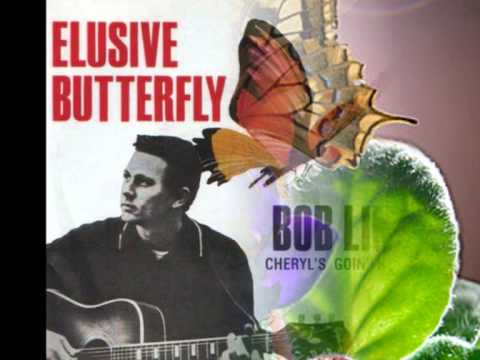
Whatever happened to Bob Lind?

Bob Lind wrote "Elusive Butterfly", one of the greatest songs of the 1960's.

And then he did not record any other hits!

I understand from his website that his songs were recorded by other artists. Frankly, I am not familiar with them.

Whatever happened to Bob Lind? Is he the all time "one hit wonder"?

Elusive Butterfly
(written by Bob Lind)

You might wake up some mornin'
To the sound of something moving
past your window in the wind
And if you're quick enough to rise
You'll catch a fleeting glimpse of someone's fading shadow
Out on the new horizon
You may see the floating motion of a distant pair of wings
And if the sleep has left your ears
You might hear footsteps running through an open meadow
Don't be concerned,
it will not harm you
It's only me pursuing somethin' I'm not sure of
Across my dreams with nets of wonder
I chase the bright elusive butterfly of love
You might have heard my footsteps
Echo softly in the distance through the canyons of your mind
I might have even called your name
As I ran searching after something to believe in
You might have seen me runnin'
Through the long-abandoned
ruins of the dreams you left behind
If you remember something there
That glided past you followed close by heavy breathin'
Don't be concerned, it will not harm you
It's only me pursuing somethin'
I'm not sure of
Across my dreams with nets of wonder
I chase the bright elusive butterfly of love

Across my dreams with nets of wonder

I chase the bright elusive butterfly of love"


Pretty good song!


P.S.  You can listen to my show.  If you like our posts, please look for ”Donate” on the right column of the blog page.
Sunday, April 26, 1970

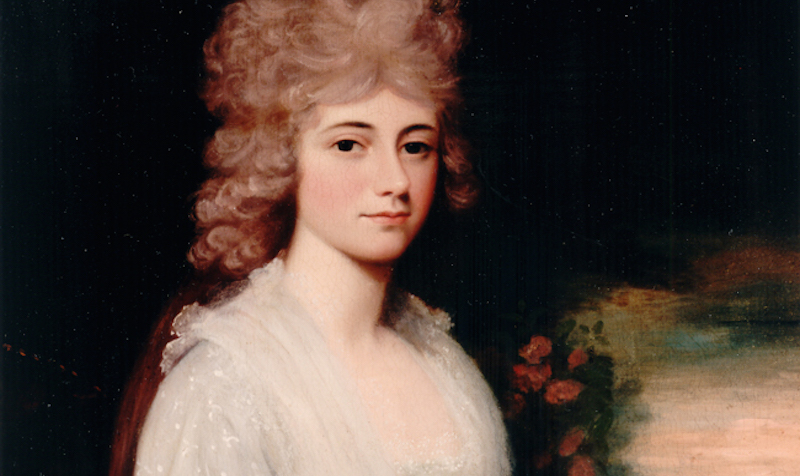
First Lady Louisa Catherine Adams 1825-29

Related image


P.S.  You can listen to my show.  If you like our posts, please look for ”Donate” on the right column of the blog page.

Saturday, April 25, 1970

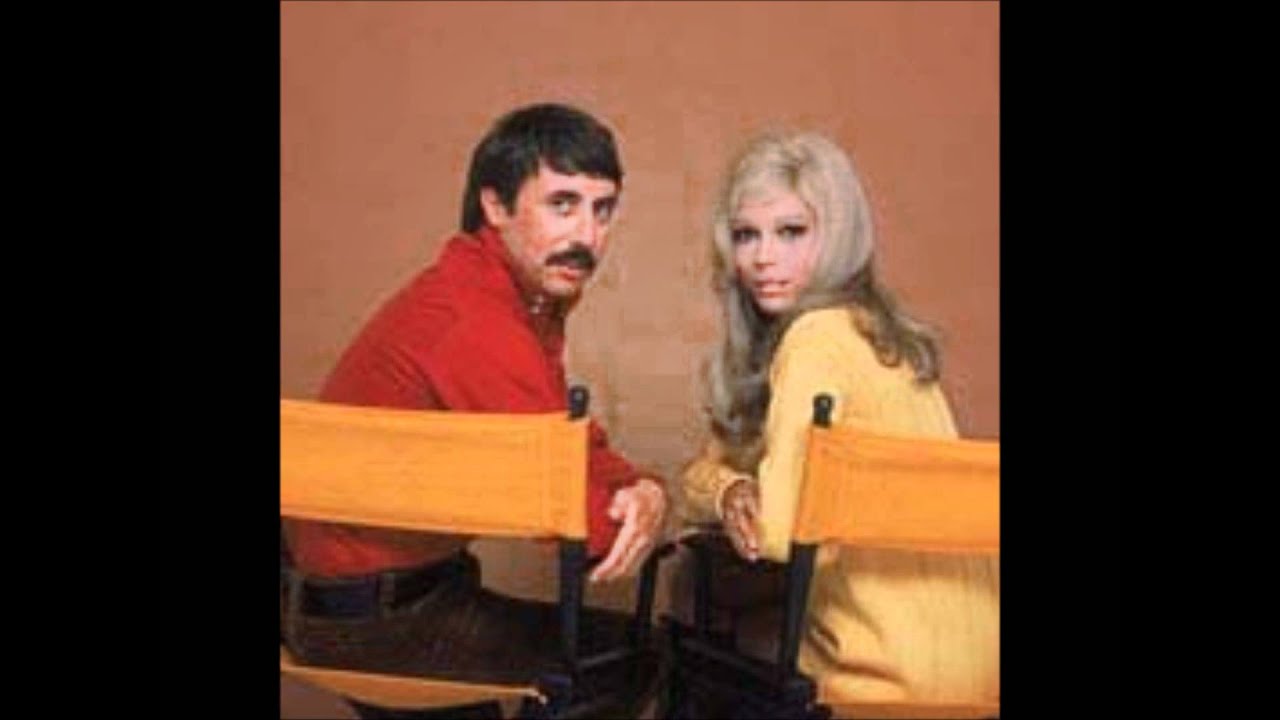
Remembering "Summer Wine" by Nancy and Lee!


"Summer wine" was a great song recorded many summers ago.

It's a song about a stranger who meets a stranger. I guess that I will leave the rest of the story to your imagination.

I love the song because it lends itself to a male and female vocalist.

The woman repeats the chorus over and over again. ("Strawberry cherries and an angel's kiss in spring....my summer wine is really made from all these things.")

The man tells the story.

Nancy Sinatra and Lee Hazlewood recorded the original version of "Summer wine".

P.S.  You can listen to my show.  If you like our posts, please look for ”Donate” on the right column of the blog page.


1719: Robinson Crusoe was published

It was 1719 and a wonderful new book by Daniel Defoe was published in England.   

It was about a shipwrecked sailor who spent years on a deserted island.   It was apparently based on the experiences of Alexander Selkirk, a Scottish sailor lost off the coast of South America in the early 1700's.


By the way, I recently saw this 1953 movie about "Robinson Crusoe".  It was interesting.


P.S.  You can listen to my show.  If you like our posts, please look for ”Donate” on the right column of the blog page.
Thursday, April 23, 1970

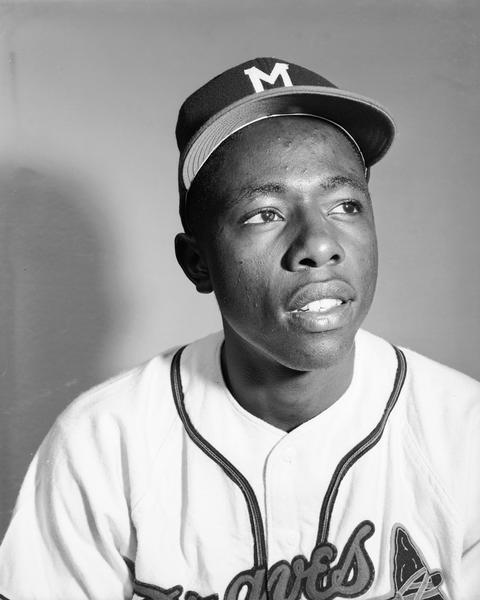
1954: # 1 of 755 for Hank Aaron


Image result for henry aaron 1954 images
We remember Henry, or Hank, Aaron today.    He hit # 1 off Vic Raschi of the Cardinals.  

Aaron was the last of the Negro League players to play in the majors.   

He hit # 1 of 755!

P.S.  Check out my blog for posts, podcasts and videos. If you like our posts, please look for ”Donate” on the right column of the blog page.

Wednesday, April 22, 1970

The old "Little Women" is still great


Yes, "Little women" is your quintessential "chick flick".    Nevertheless, it is a very good story.

The 1949 version, with Meg (Janet Leigh), Jo (June Allyson), Amy (Elizabeth Taylor), Beth (Margaret O'Brien) and Mrs March (Mary Astor), is a great film about family.    

It is often featured on TCM and very good.

P.S.  Check out my blog for posts, podcasts and videos. If you like our posts, please look for ”Donate” on the right column of the blog page.


Tuesday, April 21, 1970

April 21, 1904: Ty Cobb made his professional debut!


Debunking the 'facts' about baseball's Ty Cobb | Newsday

On April 21, 1904,  Ty Cobb made his professional with Augusta (South Atlantic League).  He hit a double and HR in an 8-7 loss to Columbus.

Cobb broke with Detroit in 1905 and his career numbers still leave you in total shock:  .366 batting average, 4,189 hits, 724 doubles, 295 triples, 892 stolen bases and 117 "dead ball era" HR.    He did it all in 3,035 games!     

What an amazing hitter!

P.S.  You can listen to my show.  If you like our posts, please look for ”Donate” on the right column of the blog page.
Saturday, April 18, 1970

1951: "The House on Telegraph Hill" is a good movie

Related image

Want a good movie?  Check out a retro movie channel?    

This morning, I caught just about all of "The House on Telegraph Hill", a 1951 movie with a rather interesting plot:  
Concentration camp survivor Victoria Kowelska finds herself involved in mystery, greed, and murder when she assumes the identity of a dead friend in order to gain passage to America.....
Well, let me give the movie a pretty good grade.   

The cast includes  Richard Basehart, Valentina Cortese and William Lundigan.    I don't know much about their backgrounds but did enjoy their performance. 

I may have to watch it again to understand a couple of things about the story.   It is very intense and the dialogue is great.

The movie is based on a book:  "The frightened child" by Dana Lyon.

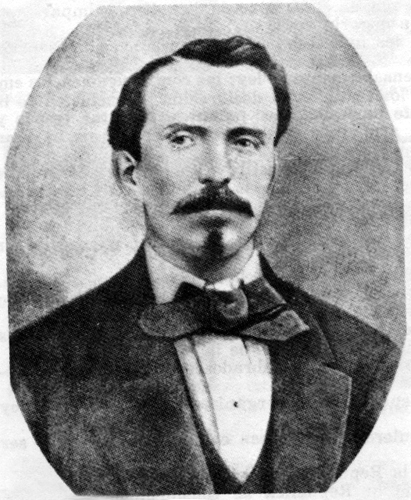
We remember Carlos Manuel de Cespedes (1819-74)


Related image
Let’s take a moment and remember Carlos Manuel de Cespedes, a Cuban patriot from the 19th century.  

This is from a summary of his life written by Juan Perez
Born on April 18, 1819, Carlos Manuel de Céspedes is considered by many Cubans to be the “Father of the Nation”.
Céspedes, who owned a plantation in eastern Cuba, began the 10 Years’ War when he freed his slaves and asked others to join his armed resistance against Spain. He wanted independence for Cuba, which he announced through the Grito de Yara (Cry of Yara).
Guerilla warfare was practiced by the Cuban troops, whose numbers soon grew. Céspedes became the general in chief. His forces captured the city of Bayamo and made it their capital.
When Spanish troops were sent to take the city, the outnumbered Cuban troops left and burnt it to the ground. Céspedes’ birthplace was one of a few buildings that did not burn.
As the war went on, Céspedes’ major goal was to attain American recognition of the new Cuban government, though it was to be an unrealized goal. Céspedes ran a constitutional convention, which decided upon a representative government for Cuba and proposed the abolition of slavery.
Céspedes was deposed by other revolutionaries in 1873. A year later, he was apprehended by the Spanish and executed.
Eventually Spain reached a settlement with the revolutionaries, but broke many of its promises.
Céspedes also published Cuba’s first independent newspaper, the Cubano Libre (The Free Cuban).
It's important for young Cuban-Americans to hear about men like Cespedes.  They are an important part of 19th century Cuban history.
P.S.  You can listen to my show.  If you like our posts, please look for ”Donate” on the right column of the blog page.
Friday, April 17, 1970

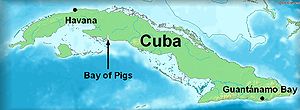
April 17, 1961: Bay of Pigs by Victor Andres Triay..a good book about that day

P.S.  You can listen to my show.  If you like our posts, please look for ”Donate” on the right column of the blog page.

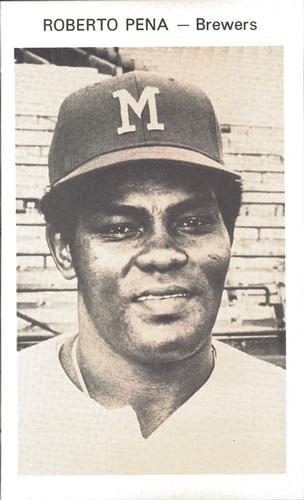
We remember Roberto "Bob" Peña (1937-82)


Image result for roberto pena brewers images
Roberto Peña was born in Santo Domingo, Dominican Republic, on this day in 1937.  

By the time Roberto Peña got to the Brewers in 1970, he was 33 and had played for the A's, Phillies, Cubs and the expansion 1969 Padres.   

Nevertheless, he became very popular in Milwaukee because he hustled like Pete Rose and played all 4 infield positions.  His 42 RBI in 1970 were 4th best in the team.


Bob, or Bobby as I recall, played 6 seasons and retired with a .245 average.    He must have been one of the most popular .245 career hitters in major league history.  Again, the fans loved him in Milwaukee.


Bob was 45 when he died in 1982.    


P.S.  You can listen to my show.  If you like our posts, please look for ”Donate” on the right column of the blog page.

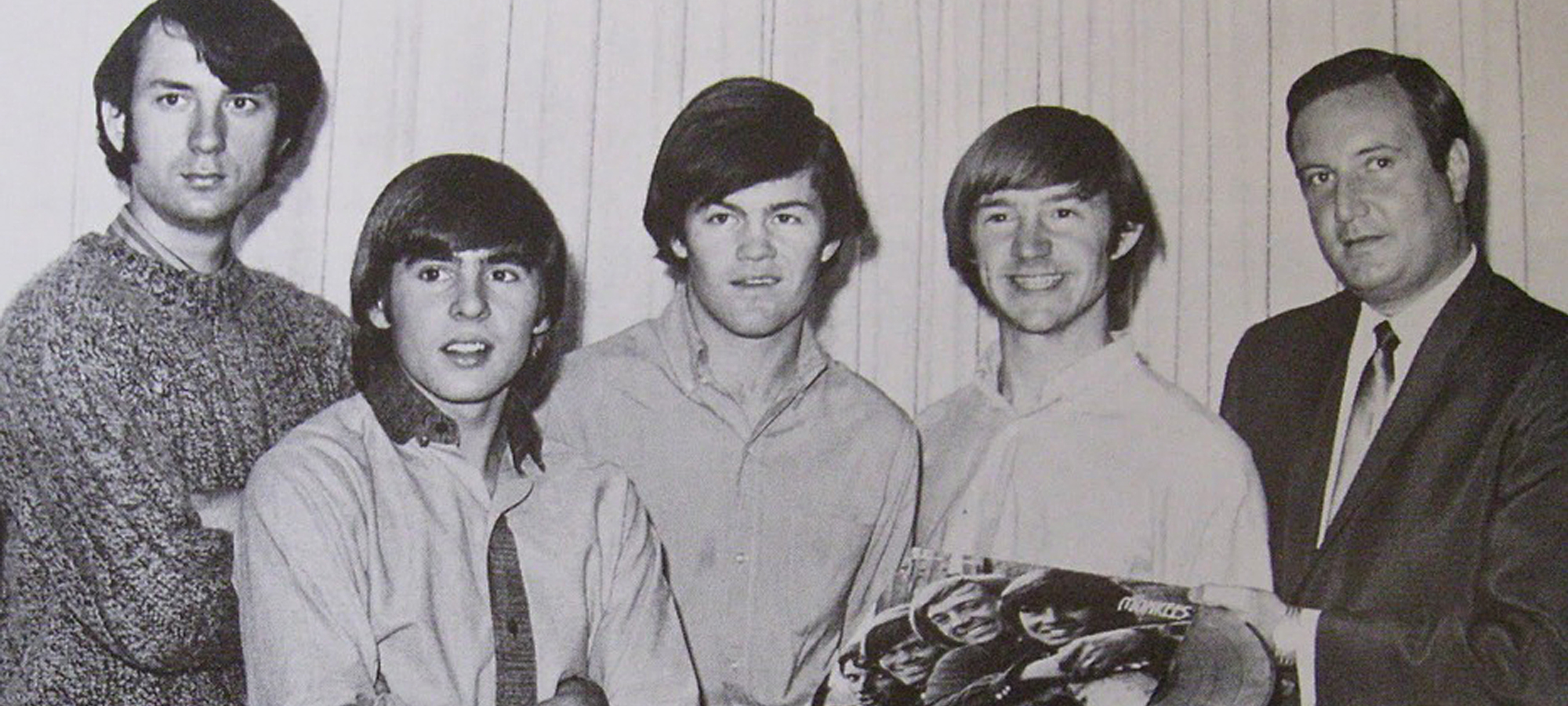
We remember Don Kirshner (1937-2011)


Image result for don kirshner images
We remember Don Kirshner who was born in New York on this day in 1937.   He died in 2011.

They called Kirsher "The Man with the Golden Ear" because of his talent for understanding what the record buying public wanted to purchase.

His resume included the songwriter teams of Carole King and Gerry Goffin, Barry Mann and Cynthia Weil, and Neil Sedaka and Howard Greenfield.     The list of artists and hits includes The Righteous Brothers’  “You’ve Lost That Lovin’ Feelin’” and the Shirelles’ “Will You Love Me Tomorrow.”   

He ran record labels such as Dimension, Colpix, Colgems, Chairman, Calendar and Kirshner.   

Last, but not least, Tne Monkees & Tony Orlando got his start with him, too.

Quite a story!  Do you see why they called him "the man with the golden ear"?
 

P.S.  You can listen to my show.  If you like our posts, please look for ”Donate” on the right column of the blog page.


Remembering the morning that changed my life


Related image

For weeks, most Cubans anticipated an invasion of the island.  It's hard to understand today just how tense things were in Cuba 61 years ago this month.

My parents were living in a polarized country, where neighbors kept an eye on their neighbors through something the CDR, or, translated, The Committee for the Defense of the Revolution.  You could not trust anyone, and Cubans, normally very loud and outspoken about their politics, had to whisper their political sentiments.

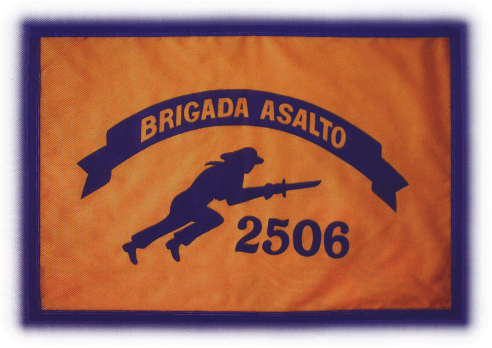
No one had a clue that the men of Brigade 2506 would land at The Bay of Pigs, a place that only a Cuban with a specialty in geography had ever heard about.  Years later, I learned that many crabs go The Bay of Pigs every year:

This year, the crabs started their journey early. 

At the end of March, the municipal authorities issued a warning to drivers to avoid travelling in the morning and evening hours — the favourite crossing times for the crabs. Environmentalists usually demand the closure of the main road, especially at key migration times.

The passage of the red crustaceans — the species is called gecarcinus ruricola — could last until July. 

The largest amount of traffic occurs between April and May. Residents have to be careful: When the crabs feel threatened, they can puncture car tyres with their pincers.

Then it happened — the invasion, not the crabs.  A plane woke me up, and I rushed to the window to see an aircraft dropping leaflets about the liberation of Cuba.  How many 8-year-old kids can say something like that?  I had no idea that morning that all of these events would end up with me growing up in the U.S. someday.  All I knew about the U.S. back then was that they played baseball and the burgers were huge.

By midday, everyone was talking about the invasion and how the brigade was actually succeeding in pushing back Castro's troops.  It was true.  By evening, everything changed when we learned that the men were running out of bullets and the air support did not come.  To this day, every man I've spoken to from that brigade said they were promised air support.  No one expected U.S. soldiers to fight for Cuba, but air support would have broken the back of the very small and disorganized Cuban militias.  As a Cuban veteran said to me: "The sight of a couple of old jets" would have done the trick!

In a couple of days, Castro was boasting about the defeat of U.S. imperialism, and every Cuban associated with the "counter revolution" was picked up and thrown in prison.  One of those men was my father's cousin, or Dr. Ignacio Segurola-Canto, a young man in his 30s who had spoken about the communist influence in Castro's regime.  He called Castro a communist in a speech.  The regime spokesmen denied it.  Later that year, Castro said in a speech that he had always been a communist, but Ignacio was not released from prison.  He stayed in prison until 1975.

Many brave Cubans died at the Bay of Pigs.  Castro put thousands in prison because they supported the invasion or opposed his sudden love for communism.  Many were executed or spent years in some of the world's worst political prisons.

I choose to recall the events of this week by remembering the heroes of Brigade 2506.  It's too late to dwell on whether President Kennedy fumbled or whatever else.

Time is taking its toll on this great generation.  There are funerals in Miami often.  Most of them picked up after the experience of invasion and became successful businessmen and family men.  I've had the honor of meeting many.

They were Cubans determined to fight for their country.  This is how I remember these men, and the families who supported them.

On Easter Sunday, God bless my late parents and that generation of Cubans.  They lost Cuba, came here, and started their lives.  Best of all, they taught us about freedom and how communists are always out to take it from you.

P.S.  You can listen to my show.  If you like our posts, please look for ”Donate” on the right column of the blog page.

God bless the men of Brigade 2506

On this day in 1961, my parents and lots of other Cubans woke up to “la invasion,” or the military operation that most of us expected and were ready for.  There were groups in Cuba who had been fighting Castro, from sabotage to confronting the regime block by block.   By the spring of 1961, a lot of the Castro magic had faded because promises about elections and reforms never happened.
The veterans of the brigade have a museum in Miami, a reminder to the young about the men who were willing to fight and remove communism from the island.
The politically correct explanation is that the invasion failed because Cubans did not rise up against Castro.  Actually, it failed because the total plan was never carried out, and the men were left stranded, as Michael Sullivan wrote:   
The invasion force, with four supply ships, landed at dawn, with a strength of 1,400 men. Initially things looked promising, American planes struck at Cuban air force bases and destroyed Cuban planes on the ground. However, the tide quickly turned on the insurgents. President Kennedy, anxious to cover up America’s role, inexplicably called off all American air support, leaving the rebels stranded on the beach. Cuban army and militia units, organized by Castro himself, swarmed the invasion site to block the rebels from gaining the interior of the island. The Cuban Air Force rallied to strafe the landing site and the supply ships moored in the bay.One ship sank and the remaining three barely made it out to sea. Without resupply or air support, the men of 2506 Assault Brigade managed to hold out for two days, until nearly all were either killed or captured by pro-Castro forces. When the smoke cleared, 114 died and 1,189 languished in Cuban prisons. There they remained for 22 months, until the Kennedy administration paid more than $50 million in food, medicine and cash for their release.The accusations flew around Washington, as well as Havana, in the aftermath of the Bay of Pigs and an administration struggled to retain its credibility.
It was a bad day, and many Cubans were thrown in jail after that.
Over the years, I have personally spoken to many of the veterans of Brigade 2506.
Like my parents, they started their new lives in the U.S., and many served in the U.S. military.  Every one of them tells me the mission would have succeeded if the plan had been carried out.
The lesson of The Bay of Pigs is simple.  Presidential weakness, and confusion, has consequences way beyond the event in question.
God bless the men of Brigade 2506.  They are heroes in my book.
P.S.  Check out my blog for posts, podcasts and videos. If you like our posts, please look for ”Donate” on the right column of the blog page.


The other Bay of Pigs story

(My new American Thinker post)

Fifty-five years ago, my parents and lots of other Cubans woke up to "la invasion," or the invasion that most of us expected and were ready for.  There were groups in Cuba who had been fighting Castro, from sabotage to confronting the regime block by block.

This is about The Bay of Pigs, an event that most people have forgotten unless you're a Cuban of my parents' generation or someone like them who was impacted by it.

The plans for the invasion were passed on to new president Kennedy by the outgoing Eisenhower administration.   

The men who invaded Cuba were primarily refugees trained by the CIA in Nicaragua

They adopted the name of Brigade 2506 in honor of a member killed accidentally during training exercises.  

The veterans of the brigade have a museum in Miami, a reminder to the young about the men who were willing to fight and remove communism from the island.

The politically correct explanation is that the invasion failed because Cubans did not rise up against Castro.  Actually, it failed because the total plan was never carried out, and the men were left stranded, as Michael Sullivan wrote:
The invasion force, with four supply ships, landed at dawn, with a strength of 1,400 men. Initially things looked promising, American planes struck at Cuban air force bases and destroyed Cuban planes on the ground. 
However, the tide quickly turned on the insurgents. 
President Kennedy, anxious to cover up America's role, inexplicably called off all American air support, leaving the rebels stranded on the beach. 
Cuban army and militia units, organized by Castro himself, swarmed the invasion site to block the rebels from gaining the interior of the island. 
The Cuban Air Force rallied to strafe the landing site and the supply ships moored in the bay.
One ship sank and the remaining three barely made it out to sea. 
Without resupply or air support, the men of 2506 Assault Brigade managed to hold out for two days, until nearly all were either killed or captured by pro-Castro forces. When the smoke cleared, 114 died and 1,189 languished in Cuban prisons. 
There they remained for 22 months, until the Kennedy administration paid more than $50 million in food, medicine and cash for their release.
The accusations flew around Washington, as well as Havana, in the aftermath of the Bay of Pigs and an administration struggled to retain its credibility.
It was a bad day, and many Cubans were thrown in jail after that.

It was a worse day for the credibility of the Kennedy administration.  He was confronted by Mr. Khrushchev in Vienna and challenged in Southeast Asia.  He left Vienna a very frustrated man after being pushed around by the Soviet leader, as Frederick Kempe wrote:
As he drove away from the Soviet embassy with Secretary of State Dean Rusk in his black limo, Kennedy banged the flat of his hand against the shelf beneath the rear window. Rusk had been shocked that Soviet premier Nikita Khrushchev had used the word "war" during their acrimonious exchange about Berlin's future, a term diplomats invariably replaced with any number of less alarming synonyms.
Despite all the president's pre-summit briefings, Rusk felt Kennedy had been unprepared for Khrushchev's brutality. The extent of Vienna Summit's failure would not be as easy to measure as the Bay of Pigs fiasco six weeks earlier. There would be no dead, CIA-supported exile combatants in a misbegotten landing area, who had risked their lives on the expectation that Kennedy and the United States would not abandon them.
However, the consequences could have be even bloodier. A little more than two months after Vienna, the Soviet would oversee the construction of the Berlin Wall. That, in turn, would be followed in October 1962 by the Cuban Missile Crisis. Already in Vienna Kennedy was distraught that Khrushchev, assuming that he was weak and indecisive, might engage in the sort of "miscalculation" that could lead to the threat of nuclear war.  He didn't know then that his prediction would become prophesy.
Over the years, I have personally spoken to many of the veterans of Brigade 2506.  Like my parents, they started their new lives in the U.S., and many served in the U.S. military.  Every one of them tells me the mission would have succeeded if the plan had been carried out.   

The lesson of The Bay of Pigs is simple.  Presidential weakness, and confusion, has consequences way beyond the event in question.  

God bless the men of Brigade 2506.  They are heroes in my book.

P.S.  You can listen to my show.  If you like our posts, please look for ”Donate” on the right column of the blog page.

Lessons learned on Bay of Pigs anniversary

(My new American Thinker post)

Back this week in 1961, my father had a meeting on the other side of town in Havana where we lived at the time. Cuba was in turmoil and opposition to Castro was widespread as more and more people saw communists in positions of responsibility.

At mid-morning, my dad called my mom and told her that something was happening in Cuba.  Our phone kept ringing as friends and neighbors spread the news.

Humberto Fontova recalls the events of that day:
""Freedom is our goal!" roared commander Pepe San Roman to the men assembled before him 48 years ago this week. “Cuba is our cause! God is on our side! On to victory!” Fifteen hundred men crowded before San Roman at their Guatemalan training camps that day. The next day they’d embark for a port in Nicaragua, and the day after that would be bound for a landing site in Cuba named Bahia De Cochinos. We know it as the Bay of Pigs.

Their outfit was Brigada 2506, and at their commander’s address the men (and boys, some as young as 16) erupted. A scene of total bedlam unfolded. Hats flew. Men hugged, sang, cheered, and wept. The hour of liberation was nigh – and these men, all volunteers, were putting their lives on the line to see their dream of a free Cuba fulfilled.

The Brigada included men from every social strata and race in Cuba. There were sugar cane planters and cutters, aristocrats and their chauffeurs. Mostly, they hailed from somewhere in between, fitting for a nation with a larger middle class than most of Europe.

"They fought like Tigers," wrote CIA officer Grayston Lynch, who helped train these Cuban freedom-fighters. "But their fight was doomed before the first man hit the beach."

Lynch, knew something about fighting – and about long odds. He carried scars from Omaha Beach, the Battle of the Bulge, and Heartbreak Ridge. But in those battles, Lynch and his band of brothers could count on the support of their own chief executive.

At the Bay of Pigs, Lynch and his band of Cuban brothers learned – first in speechless shock and finally in burning rage -- that their most powerful enemies were not Castro's Soviet-armed and led soldiers massing in Santa Clara, Cuba but the Ivy League's Best and Brightest dithering in Washington.- "
The Bay of Pigs had two terrible consequences.  The first one was in Cuba.  The second one was for President Kennedy and the US.

Down in Cuba, 1500 men were left on a beach without the assistance promised.  They were eventually captured and traded for agricultural supplies a year later. The invasion was also followed by very harsh repression, as any Cuban will tell you. The regime used the moment to crackdown and fill up the political prisons.

Here in the US, President Kennedy was forced to accept responsibility for the failure.  

A month later, he met Chairman Khrushchev and it did not go well, as George Will wrote on the 50th anniversary of the Vienna meeting:
"On May 25, six weeks after Yuri Gagarin became the first man to orbit Earth, Kennedy said that “extraordinary times” demanded a second State of the Union address. In it he proclaimed “the whole southern half of the globe” a “great battleground,” especially emphasizing a place on few Americans’ minds: Vietnam. Then he flew to Vienna to meet Khrushchev — “Little Boy Blue meets Al Capone,” a U.S. diplomat said.  
Khrushchev treated Kennedy with brutal disdain. In excruciating pain from his ailing back and pumped full of perhaps disorienting drugs by his disreputable doctor (who would lose his medical license in 1975), Kennedy said that it was the “worst thing in my life. He savaged me.” British Prime Minister Harold Macmillan said, “For the first time in his life, Kennedy met a man who was impervious to his charm.” Kempe writes, “From that point forward Khrushchev would act more aggressively in the conviction that there would be little price to pay.” Kempe says that when Robert Kennedy met with his brother back in Washington, “Tears were running down the president’s cheeks.” 
As Khrushchev turned up the temperature on Berlin, Kennedy studied the modalities of conducting a nuclear war. On July 25, he gave a nationally televised address, referring 17 times to the U.S. commitment to West Berlin, although the entire city was under four-power (U.S., Soviet, British, French) rule.    
On July 30, in a Sunday morning television interview, Sen. William Fulbright said: “I don’t understand why the East Germans don’t close their border because I think they have a right to close it.” He was wrong regarding the four powers’ rights, and five days later he apologized for giving “an unfortunate and erroneous impression.” But Kennedy, who did not dispute Fulbright’s mistake, evidently welcomed it.   
After Aug. 13, an unsympathetic Kennedy, who never asserted the indisputable legal right of free movement of people throughout Berlin, told New York Times columnist James Reston that East Germans had had 15 years to flee to the West. Reston wrote that Kennedy “has talked like Churchill but acted like Chamberlain.” Clearly, there was a causal connection between Kennedy’s horrible 1961 and the Cold War’s most perilous moment — Khrushchev’s 1962 gamble on putting missiles in Cuba."
The Bay of Pigs is obviously something of interest to my parents' generation and those of us who grew up hearing about it. 

I've met men from Brigade 2506 and they are impressive fathers and grandfathers who now run businesses and recall that fateful day.

The historical value of The Bay of Pigs is that it confirms that the bad guys will always test the US president and push more and more when they sense weakness.

I hope that Valerie Jarrett is letting someone into The Oval Office who is reminding President Obama that weakness will definitely invite aggression.  

As a Mexican businessman once said to me about President Reagan:  "This guy Reagan is tough.  I hope that he stays that way."

Yes, we need a tough US president.  The Bay of Pigs is one example of what happens when he "dithers" rather than leads.

P. S. You can hear my chat with Barry Jacobsen, military historian,

You can listen to my show.  If you like our posts, please look for ”Donate” on the right column of the blog page.


More Politics Podcasts at Blog Talk Radio with Silvio Canto Jr on BlogTalkRadio


1961: The Bay of Pigs


Image result for bay of pig images
My life changed on April 17, 1961 or the Bay of Pigs invasion. 

Without question, this invasion was the biggest political event of my childhood.

Over the years, both sides have argued about what happened on that beach.  On one hand, the Kennedy apologists blamed it on the CIA.  On the other hand, Cuban-Americans blamed it on President Kennedy.

On this one, the Cuban Americans are right because President Kennedy let us down. 

Candidate John Kennedy inspired us during the 1960 election. It was Senaor Kennedy who delivered the tough anti-Castro speeches during the debates and the election.     In fact:
"By the time Kennedy took office in January 1961, he had already made serious commitments to the Cuban exiles, promising to oppose communism at every opportunity, and supporting the overthrow of Castro. 
During the campaign, Kennedy had repeatedly accused Eisenhower of not doing enough about Castro.
The Bay of Pigs made the October 1962 missile crisis possible. It projected the image that Kennedy was weak and indecisive. It probably forced Kennedy to overreact in Vietnam.

Many brave Cubans died at the Bay of Pigs. Castro put thousands in prison because they supported the invasion. Many were executed or spent years in some of the world's worst political prisons.

Let's remember the heroes of Brigade 2506. They were Cubans determined to fight for their country.

P.S.  You can listen to my show.  If you like our posts, please look for ”Donate” on the right column of the blog page.


The other Bay of Pigs story

(My new American Thinker post)

Mention "The Bay of Pigs" and most people will remember the failed invasion of Cuba and President Kennedy taking responsibility a few days later.

Most people do not know that most of the men of Brigade 2506 were captured and sentenced to prison in Cuba.

They were eventually released 50 years ago today:
"In the days before Christmas 50 years ago this weekend, 1,113 Bay of Pigs fighters captured by Fidel Castro's forces and imprisoned for 20 months were finally released to a heroes' welcome in Miami.   

The first planeload of POWs arrived at Homestead Air Force Base on Dec. 23, 1962. Gaunt and betrayed by the John F. Kennedy administration, members of the proud Brigade 2506 were bused to Miami's Dinner Key Auditorium, where waiting relatives engulfed them with hugs at a massive reunion that made front-page news. Five days later, JFK and his wife Jackie would be at the Orange Bowl to welcome them, too.  

On Saturday, the 50th anniversary of those pivotal days will be observed as surviving brigade members - now in their 70s and 80s - hold a and 11 a.m. Mass and reunion at the Bay of Pigs Museum in Little Havana."
A few years ago, I spoke with several of these men in Miami.  They are still confused about President Kennedy's decision to leave them stranded on the beach.  At the same time, most of them became great citizens in Miami and did not dwell on the events.

There is still another part of the story that many people don't know. 

Thousands of Cubans were incarcerated right after the invasion and there was a huge wave of repression on the island. 

A few months later, Castro declared that he was a Marxist Leninist.  The odd thing about this is that people were arrested in the early days for calling Castro a communist.  None of these people were released after Castro admitted that he was a communist.

The Bay of Pigs had a big impact on Cubans and President Kennedy, who had to spend much of 1961 fighting accusations of weakness and indecision. 

You can listen to my show.  If you like our posts, please look for ”Donate” on the right column of the blog page.


New Current Events Podcasts with Silvio Canto Jr on BlogTalkRadio